
The Opportunity
In May 2024, Actis acquired a 92.35% stake in Enel Generación Perú, launching Orygen as the 10th platform investment from Actis’ flagship Energy 5 Fund. The acquired portfolio established Orygen as one of the largest independent power producers in Peru and under the Actis’ ownership, positioned it as the second largest power producer and the leading renewable energy platform in the country [1].
In the view of Actis, Latin America represents one of the most compelling energy markets globally, combining structural demand growth with an accelerating shift toward cleaner power. The IEA projected overall energy investment in Latin America and the Caribbean to reach around US$160 billion in 2025, with spending on renewables, grids, efficiency and electrification on course to reach about US$70 billion. Within that regional backdrop, Peru stood out to Actis as a market with a resilient and established liberalised power sector, growing electricity demand, access to USD denominated long-term contracted cashflows, and a clear need for further renewable capacity alongside reliable baseload generation. Peru’s energy demand grew at a 4.7% CAGR between 2010 and 2022, while the country’s generation market is largely privately operated and remains dominated by a small group of scaled incumbents.
Actis had been exploring opportunities to build scale in the Andean generation market since late 2021, but the investment thesis sharpened in early 2022 as two macro developments reshaped the landscape: the Ukraine conflict and the shift by European central banks to rapidly hike interest rates from a low base close to zero. Actis had seen this dynamic before – European utilities coming under balance sheet pressure and moving to rationalise portfolios through the sale of non-core assets.
Enel emerged as a key candidate, with Peru standing out as an obvious divestment target. Against this backdrop, Actis moved early, initiating bilateral conversations with Enel’s CEO and submitting an unsolicited offer in May 2022 even before a formal divestment plan was announced given that Enel’s Peru portfolio had already been identified as one of several potential acquisition targets and ultimately selected as the preferred opportunity. Following Enel’s formal announcement in November 2022 of its plan to divest from Peru as part of a wider portfolio simplification and deleveraging programme, Actis was able to build on its early work and relationship building efforts by submitting an offer that led to exclusivity in March 2023.
The transaction presented a compelling opportunity to acquire a what we viewed as a high-quality, diversified generation platform with hydro, gas and renewables assets in operation, together with a substantial renewables development pipeline. Thanks to Actis’ early engagement and the fact Enel was a motivated seller, the deal also benefitted from an attractive entry pricing.
At entry, Orygen’s portfolio combined strategic scale, long-term contracted cashflows and a generation mix capable of serving both regulated customers and commercial and industrial offtakers with reliable, affordable and progressively cleaner power. Actis saw the opportunity not simply as an acquisition, but as the creation, in our view, of a standalone Peruvian champion positioned to support the next phase of the country’s energy transition.
[1] By generation capacity
Actis in Action
Following completion of the acquisition in May 2024, Actis carved the business out from Enel, launched it as Orygen and established it as an independent power producer focused on serving Peru’s growing economy. The immediate priority was to execute a complex carve-out while preserving operational continuity and building a platform with its own identity, governance and growth agenda. Actis established Orygen and put in place a performance-driven operating model that blended continuity from incumbent executives with additional regional talent and strengthened functional capabilities.
From there, a value-creation plan was introduced focused on four areas: operational discipline, commercial repositioning, growth, and capital structure optimisation. Operationally, Actis supported disciplined maintenance and capex execution, internalised previously outsourced services and drove a leaner cost base. Commercially, Orygen refined its contracting strategy, using a more structured risk framework to improve revenue visibility and counterparty quality. Under Actis ownership, the business locked in long-term contracts covering around 90% of available energy through 2030 and, in the last year before exit, sourced more than 1.7TWh of renewable power from third-party developers to strengthen its value proposition to commercial and industrial clients.
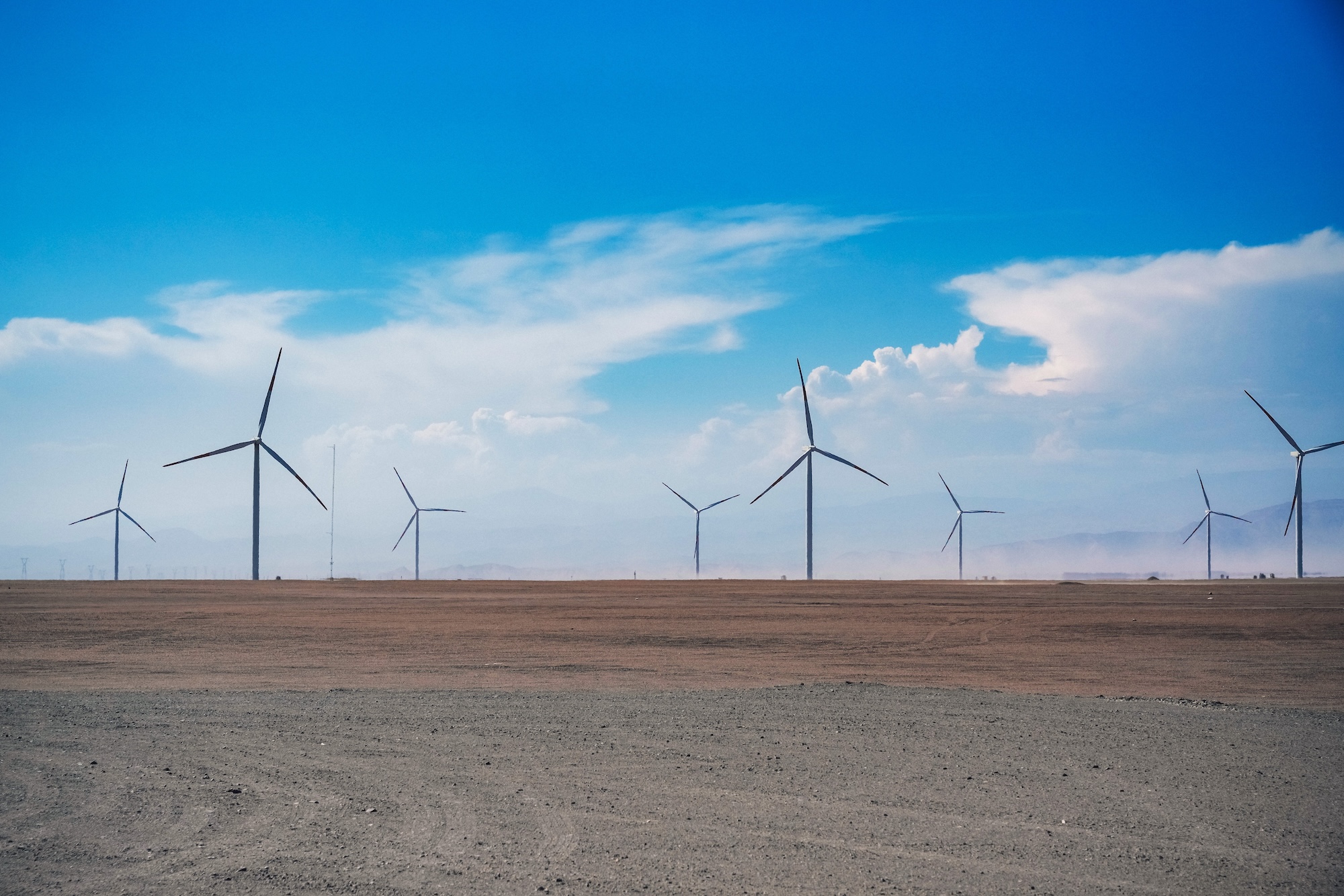
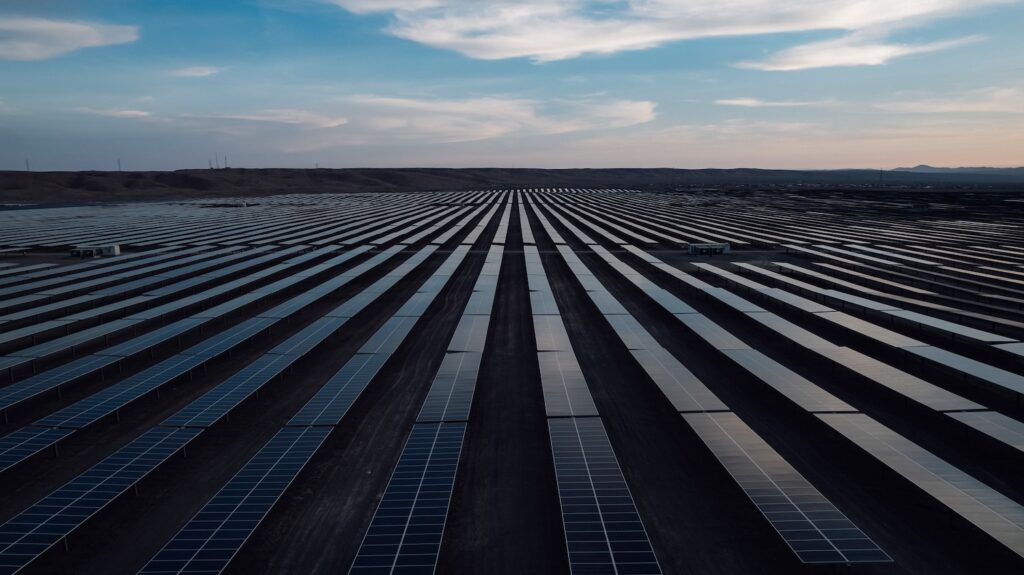
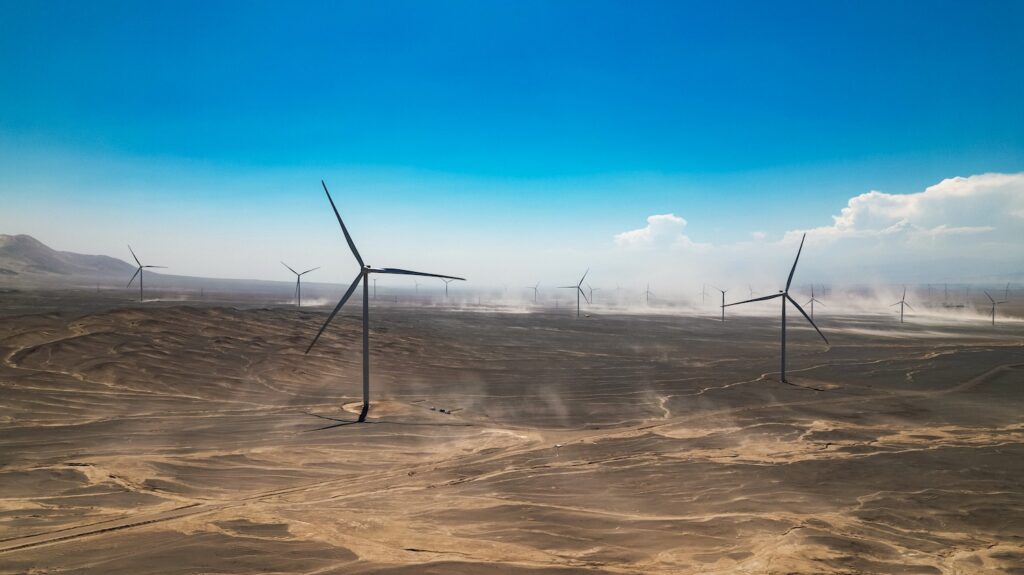
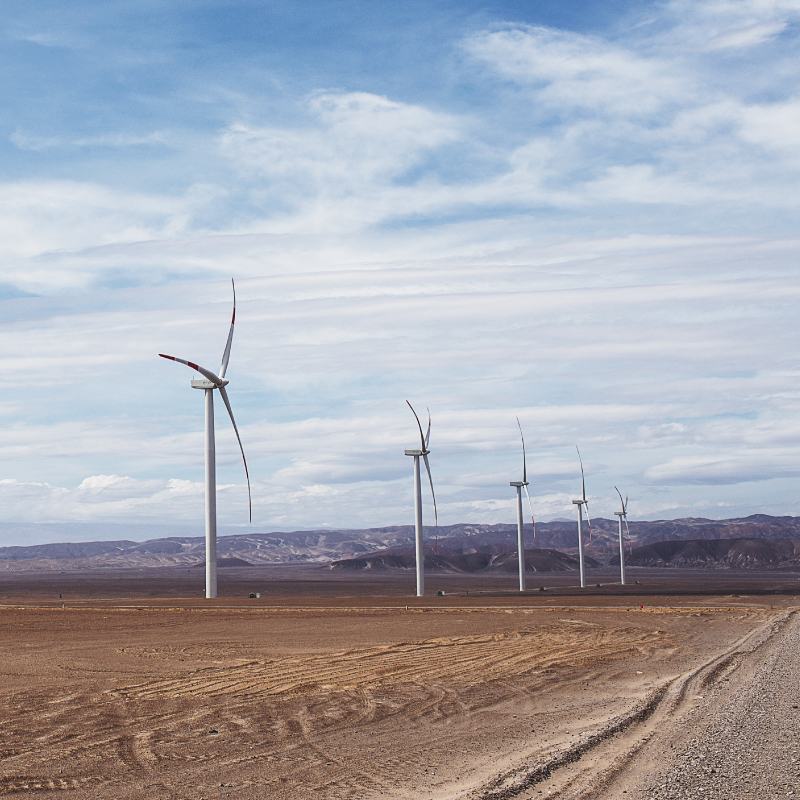
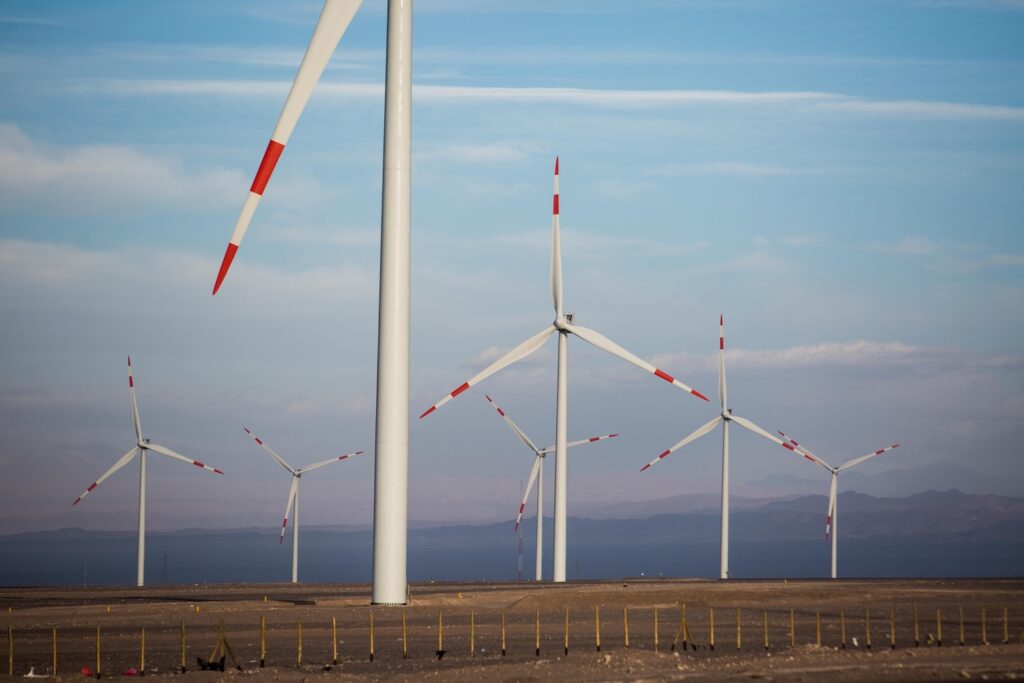
Actis also advanced Orygen’s renewables growth agenda. During the hold period, the company delivered Wayra 2, a 177MW wind farm, and began construction of Wayra Solar, a 100MWp solar project, while continuing to progress a broader development pipeline. At the same time, Actis repositioned the balance sheet through an investment-grade, 10-year bond refinancing that materially strengthened Orygen’s capital structure and underscored investor confidence in the platform’s quality and strategic positioning. Collectively, these actions transformed Orygen from a corporate carve-out into a more agile, better-capitalised and increasingly differentiated market participant, with Actis’ period of ownership delivering record EBITDA growth[2].
[2] Over Actis’ two year ownership period
Sustainability
For Actis, sustainability at Orygen was not a parallel workstream; it was a core part of building a resilient business and preserving long-term value. Orygen’s sustainability strategy was organised around eight pillars: supporting the energy transition through renewables growth and operational decarbonisation; proactive environmental and occupational health and safety management; climate resilience; strong community relationships and social licence to operate; inclusive talent development; robust business integrity; responsible procurement; and transparent stakeholder reporting.
Actis also elevated sustainability within Orygen’s governance model. The business established its first Sustainability Sub-committee, chaired by the CEO and linked directly to board oversight, while integrating sustainability more directly into business decision-making. By late 2025, the sustainability agenda had matured further, with Orygen approving a 2026 action plan focused on execution readiness for the energy transition, verification-led decarbonisation planning, climate resilience and continued stakeholder engagement across its full footprint.
This approach was particularly important in securing and maintaining Orygen’s social licence to operate. The company implemented community-focused programmes designed to improve access to energy and water in communities lacking basic services, support reforestation in climate-vulnerable regions, promote local agricultural development, and expand health and education initiatives. Actis believes these programmes helped Orygen mitigate the risk of potential conflicts with local communities and contributed to a more stable operating environment, while reinforcing the company’s position as a trusted long-term partner in the region.
The Outcome
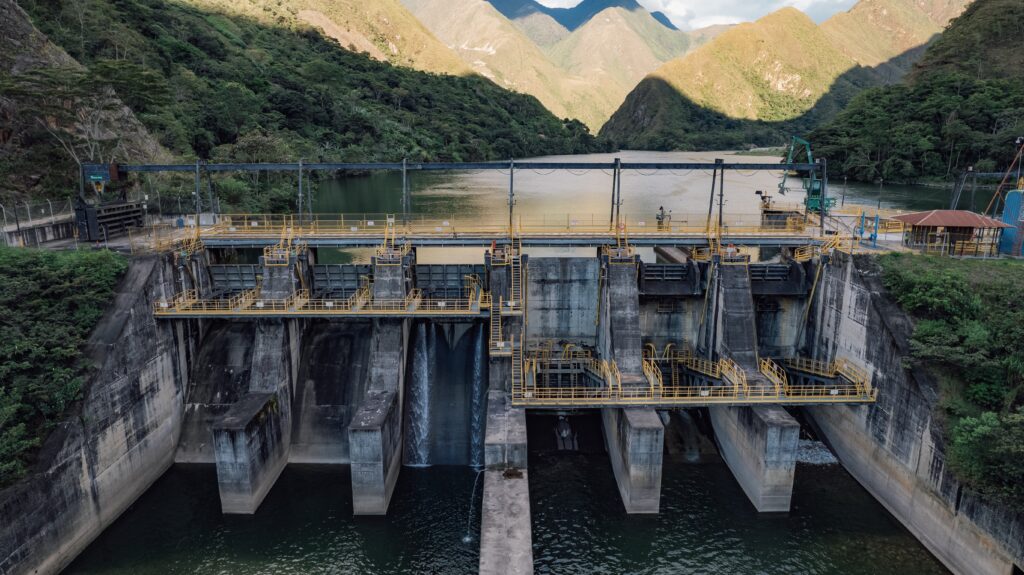
By the time of exit, Orygen had consolidated its position as one of Peru’s leading power producers and the owner of the country’s largest renewables portfolio. Installed capacity had reached 2,344MW, diversified across wind and solar, hydro and gas, giving the business both resilience and flexibility in a market that values reliability as much as decarbonisation and where extractive industries such as mining have a need for both baseload and cleaner power. What Actis acquired as a carve-out from a multinational utility had become an independent national champion: operationally standalone, commercially repositioned, better capitalised and more clearly aligned to Peru’s evolving energy needs. The strength of the investment allowed Actis to exit in an accelerated timeframe.
In March 2026, Actis completed the sale of Orygen to Grupo Romero, one of the most prominent financial and industrial conglomerates in Peru, through an affiliate managed by InfraCorp. The exit marked the culmination of a focused value-creation plan built around portfolio optimisation, renewables expansion, sustainability integration and balance-sheet enhancement. More broadly, it demonstrated Actis’ ability to source proprietary opportunities in growth markets, execute complex carve-outs and create strategic infrastructure platforms that are relevant not only to investors, but also to the long-term development of the markets in which they operate.


Disclaimer
General discussions contained in this case study regarding the market or market conditions represent the views of Actis. Such information is not research and should not be treated as research. Moreover, there is no assurance historical trends will continue. Past performance is not a guarantee, projection or prediction and is not indicative of future results. The case study and figures above are presented for informational purposes only and were selected to demonstrate the type of investments that Actis will seek to make. There can be no guarantee that transactions with similar characteristics will be available to Actis. There can be no assurance that Actis will be successful in implementing its investment thesis or sustainability plan. There can be no assurance that this investment would be profitable or avoid substantial losses. Nothing herein constitutes a guarantee, projection or prediction.